



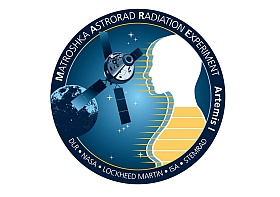
EK-s dózismérőkkel a fedélzetén, a NASA Artemis programjának első küldetésében hétfő délután indul Hold körüli útjára az Orion űrhajó az SLS-rakéta orrkúpjában.
Hosszú idő után végre ismét személyes – pontosabban hibrid – konzorciumi megbeszélésre kerülhetett sor a legfontosabb ESA projektünk kapcsán.
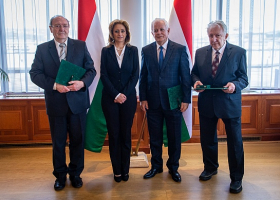
Bay Zoltán-díjban részesült Deme Sándor, az Energiatudományi Kutatóközpont külső munkatársa, melyhez szívből gratulálunk!
Kollégánk, Strádi Andrea is előad az idei Lányok Napja pályaorientációs napon!

Űrdozimetria – Magyar Innovációk címmel tartott előadást Zábori Balázs az ENSZ COPUOS Tudományos és Technikai albizottságának ülésén.
A HUNOR program tudományos és technológiai tartalmának kibontása és megvalósításának koordinációja az Energiatudományi Kutatóközpont Űrkutatási Laboratóriumának a feladata.
A világra szóló magyar innovációk között felfedezhetjük a Pille és a TRITEL sugárdózismérő űrállomás fedélzeti műszereket és az IDA makettjét is!
Malatinszky Adél Klára az ELTE idei kari fizikai TDK konferencia Statisztikus-, Orvosi- és Biofizika szekciójában második helyezést ért el! Eredményéhez gratulálunk!
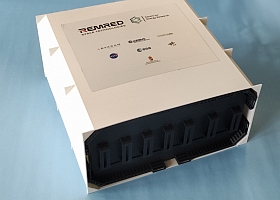
Az EK Űrkutatási Laboratóriuma – a REMRED Kft.-vel közösen – az Európai Űrügynökség (ESA) nyílt versenypályázatán nyerte el az IDA kísérleti sugárzásmérő rendszer fejlesztését a Gateway űrállomás fedélzetére.
_small.jpg)
Dózismérőink indulnak ismét a Nemzetközi Űrállomásra!
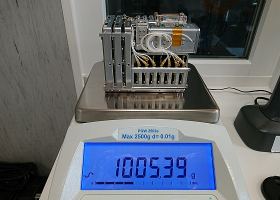
2021. augusztus 17-én, magyar idő szerint hajnali 3:47 órakor sikeresen elindult az európai Vega hordozórakéta VV19 küldetése, fedélzetén a RadMag első változatával.
Idén immár hatodik alkalommal került sor a H-SPACE 2020 nemzetközi űrkonferenciára, amelyen laborunk is képviseltette magát.
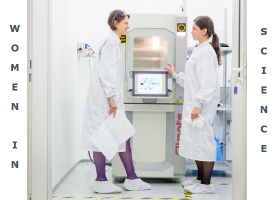
Ma van az 'International Day of Women and Girls in Science' amit annak érdekében hirdetett ki az ENSZ, hogy felhívja a figyelmet a nemek tudományos világban való kiegyensúlyozására.
Ma délelőtt tértek vissza a Nemzetközi Űrállomás 61. expedíciójának űrhajósai Alexander Szkvortszov (Roscosmos), Christina Koch (NASA) és Luca Parmitano (ESA). Sok más tudományos eszköz mellett a DOSIS-3D detektorait is magukkal hozták, lezárva ezzel a 201 napos küldetést, amely sorozatban a tizenötödik mérési periódus volt a nemzetközi együttműködésben végzett sugárzás monitorozási kísérletben.
Magyarország Berlini Nagykövetsége 2019. november 5-én, a Berlini Tudomány Hete és a Magyar Tudomány Napja alkalmából űrkutatási szimpóziumot rendezett Berlinben.
A világ legjelentősebb nemzetközi űrkutatási konferenciájának 2019-ben Washington D.C. adott otthont, ahol csoportunk is képviselte magát.
Október 17-én az MTA Székházban került megrendezésre az 2019. évi Űrkutatás Napja a Magyar Asztronautikai Társaság (MANT) szervezésében, ahol csoportunk eredményei is bemutatásra kerültek.
A BME Egyetemi Kozmosz Kör idén szeptemberben elindult workshop-sorozatának múlt hét pénteki állomása űrkutatási laboratóriumunk volt. A látogatást a Kozmosz Kör az ENSZ Világűrhét keretében szervezte.
Idén harmadik alkalommal került megrendezésre a Symposium on Space Educational Activities (SSEA) nemzetközi platformot biztosítva hallgatóknak és oktatóknak, hogy nemzetközi szinten bemutathassák az űroktatási tevékenységeiket középiskolai és egyetemi szinten is.
24. alkalommal rendezték meg a Workshop on Radiation Monitoring for the International Space Station (WRMISS) elnevezésű szakmai találkozót szeptember 3. és 5. között, ezúttal Athénban.
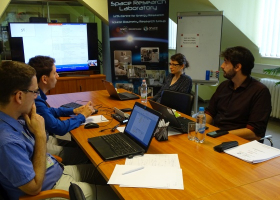
Az Európai Űrügynökség (ESA) az űridőjárás változásainak megfigyelésére egy szétosztott detektorhálózatot kíván létrehozni (Distributed Space weather Sensor System, D3S). Csoportunk legújabb fejlesztése, a D3S-RadMag műszer a rendszer egy kiemelt műszeregyüttese lehet a jövőben.
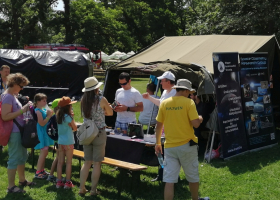
A Magyar Rendvédelmi Kar idei családi napján a KKM Űrkutatásért és Űrtevékenységért Felelős Főosztály külön űrkutatási sátorral vehetett részt, ahol az MTA EK Űrdozimetriai Kutatócsoport, illetve Űrkutatási Laboratórium is képviseltette magát. Pille, Farkas Berci, Rosetta Philae, Masat-1, SMOG-1 és még sok egyéb érdekesség várta a látogatókat.
Az idei Magyar Űrkutatási Fórumon csoportunk tagjai is beszámoltak a legfrissebb fejleményekről, eredményeikről.

"Egy nap, amikor az ország legjobb vállalatai, egyetemei és kutatóintézetei engednek bepillantást a kulisszák mögé." Idén már az MTA EK Űrkutatási Tesztlaboratóriuma is kivehette ebből részét!
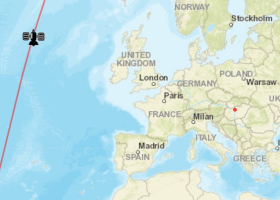
http://eseo.ddns.netAz Európai Űrügynökségnek és sok-sok rádióamatőr lelkes és alázatos munkájának köszönhetően most már bárki nyomon követheti, merre is jár az ESEO műhold és milyen adatokat lehet kinyerni az automatikus rádióüzeneteiből („beacon” jeleiből).
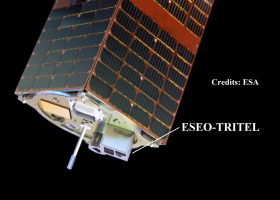
Izgalmas hetek-hónapok után az Európai Űrügynökség megerősítette, hogy az ESEO diákműhold létfontosságú alrendszerei rendben működnek, a műhold fogadja a parancsokat és elkezdődött az alrendszerek beüzemelése.
Korábban már beszámoltunk róla, hogy új űrhajójának első, egyelőre emberek nélkül végzett Hold körüli próbarepülésére csoportunk passzív detektorait is magával viszi a NASA. A fantomokról, amelyekben a sugárzás dózisát és összetételét fogjuk mérni nem rég újabb információk láttak napvilágot.
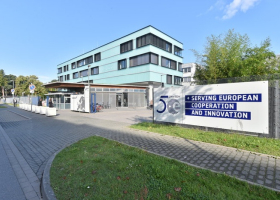
Az Európai Űrügynökség (ESA) az űridőjárás változásainak megfigyelésére egy szétosztott detektorhálózatot kíván létrehozni (Distributed Space weather Sensor System, D3S). Csoportunk legújabb fejlesztése, a D3S-RadMag műszer a rendszer egy kiemelt műszeregyüttese lehet a jövőben.
.jpg)
Pár évvel ezelőtt a Magyar Asztronautikai Társaság (MANT) és a Space Generation Advisory Council (SGAC) Űrakadémia Klub néven rendezvénysorozatot indított el, amelyre elsősorban a 18-35 év közötti korosztályt várják. A legutóbbi eseményre 2018. december 13-án került sor az ELTE északi tömbjében, ahol második előadóként Erdős Boglárka, csoportunk tudományos segédmunkatársa ESEO, az Európai Űrügynökség Diákműhold programja címmel tartott előadást.
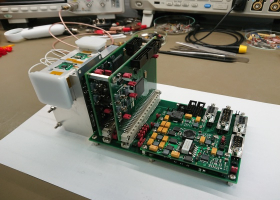
A RADCUBE műhold program a tervezési fázis végéhez érkezett, melynek során egy teljes és végleges, gyártásra alkalmas műhold tervet kellett az ESA számára elkészíteni. A projekt kritikus tervezési felülvizsgálatára 2018. december 10-11. között az ESA noordwijk-i központjában került sor, Hollandiában.
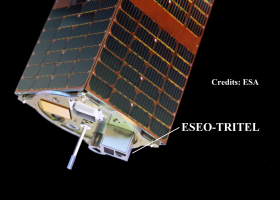
Az ESEO bolognai diákok által vezetett műholdirányító központja sikerrel vette a műhold jeleit! Az ESEO 2018. december 3-án közép-európai idő szerint 22:21-kor kezdte el az adást, nem sokkal a rakétáról való leválást követően. A kapott telemetriai adatok előzetes vizsgálata alapján azok rendben vannak.
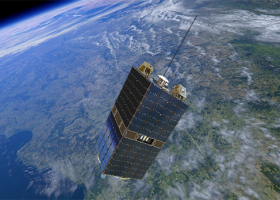
A mai napon, magyar idő szerint 19 óra 34 perckor sikeresen elstartolt a SpaceX Falcon 9 SSO-A küldetése a Vandenberg Légitámaszpontról. A rakéta hasznos terheinek egyike az Európai Űrügynökség (ESA) oktatási irodájának programja keretében megvalósuló európai diákműhold, az ESEO, illetve fedélzetén az ESEO-TRITEL!
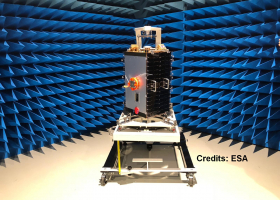
Október 18-án, Noordwijk-ban került megrendezésre az ESA Academy szervezésében az ESEO Integration and Assembly workshop, mely keretében a műholdon dolgozó diákok bepillantást nyerhettek a felbocsátást megelőző utolsó tesztekbe. A műhold másnap már útra is kelt Amerikába és jelenleg a kaliforniai Vandenberg Légitámaszponton várja a folytatást!
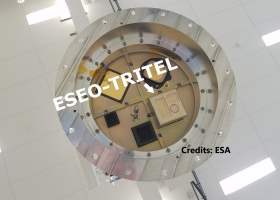
A közel két hét hosszúságú termovákuum-tesztek már javában folynak az Európai Űrügynökség hollandiai székhelyű technológiai központjában, az ESTEC-ben!
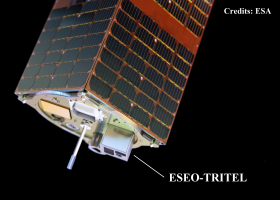
Az ESEO (European Student Earth Orbiter) műhold repülő példányának integrációja – fedélzetén a TRITEL műszer egy módosított változatával – a SITAEL olasz űripari cég gondozásában sikerrel lezárult a nyár folyamán. Ha sikeresen zárulnak a végső tesztek, akkor a műhold október utolsó hetében indulhat útnak Amerikába, hogy egy Falcon 9-es rakétával elindulhasson a világűrbe november közepén!
Az idei Tudományok Fővárosa rendezvényre 2018. szeptember 23-án a budapesti Akvárium Klubban került sor, ahol a Magyar Tudományos Akadémia Energiatudományi Kutatóközpontja is bemutatkozott. A látogatók csoportunk tevékenységével is megismerkedhettek.
A NASA új űrhajójának első, egyelőre emberek nélkül végzett Hold körüli próbarepülésére legkorábban 2019 végén kerül sor. Passzív dózismérő detektoraival csoportunk is meghívást kapott a programban való részvételre!
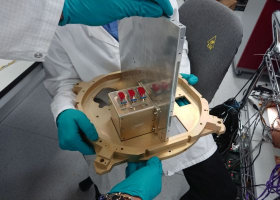
A TRITEL kozmikus sugárzás dózisát és jellemzőit mérő műszer ESEO (European Student Earth Orbiter) műholdra szánt példányának fejlesztése a végső stádiumához érkezett.
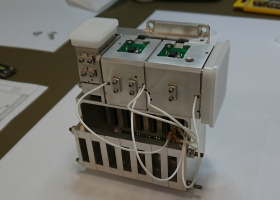
A RADCUBE műhold program a tervezési fázis végéhez közeledik, amely végén egy teljes és végleges, gyártásra alkalmas műhold tervet kell az ESA számára elkészíteni. Július 16-17-én látogatást tettek Budapesten az ESA részéről a projektet felügyelő szakértők.
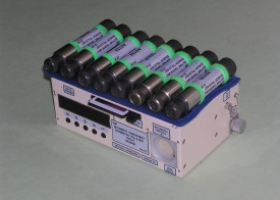
A Szojuz MSz-09 űrhajó, fedélzetén az 56. számú ISS küldetés űrhajósaival és az új Pille rendszerrel 2018 júniusában sikeresen csatlakozott a Nemzetközi Űrállomáshoz. Az imént kaptuk a hírt, hogy az új rendszer bekapcsolása sikeres volt, a régi és az új rendszer közötti összemérések sorozata pedig megkezdődött.
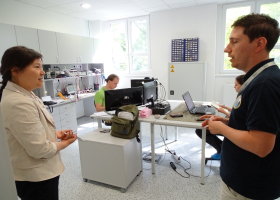
Hongmei Lei, a Kínai Népköztársaság Nagykövetségének tudományos attaséja tett látogatást az MTA EK űrkutatási tesztlaboratóriumában, ahol a lehetséges jövőbeli együttműködésekről egyeztettünk.
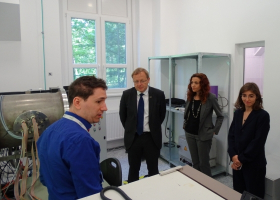
Az Európai Űrügynökség főigazgatója, Johann-Dietrich Wörner tett látogatást az MTA EK űrkutatási tesztlaboratóriumában, mielőtt megnyitotta az ESA új Üzleti Inkubátor Házát az MTA Wigner FK-ban.
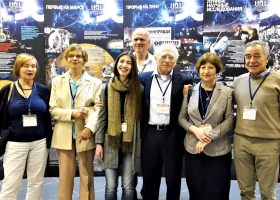
2018. június 13-15. között nemzetközi tudományos konferenciát rendeztek Moszkvában Konstantin J. Gringauz világhírű plazmafizikus professzor születésének 100. évfordulójára. Gringauz professzor kutatócsoportunk történetére is jelentős hatással volt.
A Német Repülési és Űrkutatási Központ és a ThinkSpace Consulting jóvoltából most már a Nemzetközi Űrállomáson barangolva nézegethetjük a DOSIS-3D (közte csoportunk) dózismérőinek mérési adatait.
Június 7-8-án tartják az ausztriai űregyüttműködési napokat a bécsújhelyi Alkalmazott Tudományok Egyetemén, amelyen kutatócsoportunk is képviseltette magát.
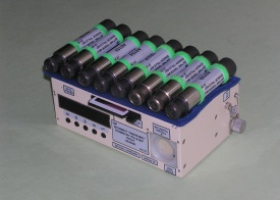
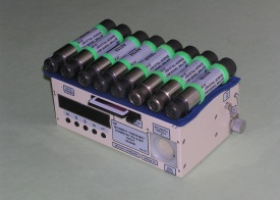
Az 56. számú ISS küldetés a tervek szerint 2018. június 6-án indul Bajkonurból, fedélzetén Serena Auñón-Chancellor a NASA, Alexander Gerst az Európai Űrügynökség (ESA) és Szergej Prokopjev az orosz űrügynökség, a Roszkoszmosz űrhajósával, valamint a kutatócsoportunk által fejlesztett és elkészített Pille dózismérő rendszerrel.
Az ESEO - Ladybird Guide to Spacecraft Operations Training Course egy az ESA Academy által szervezett, diákoknak szóló intenzív kurzus, ahol betekintést nyerhetünk az űreszközök üzemeltetésének végzetes kihívásaiba, illetve egy küldetés megtervezésével és szimulációjával „élesben” is gyakorolhatunk.
Az Orosz Tudományos Akadémia Orvosbiológiai Problémák Intézete, valamint az S.P. Koroljov RKK Enyergija űripari vállalat szakértői tettek látogatást intézetünkben.
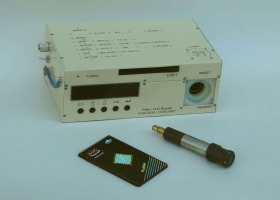
A történet egy telefonhívással kezdődött. A szovjet kollégák a felől érdeklődtek, hogy lehetséges volna-e, hogy az első magyar űrhajós repülésére egy fedélzeti termolunineszcens dózismérő rendszert kifejlesszünk.
Tegnap nyitották meg a Budapesti Műszaki és Gazdaságtudományi Egyetemen az Európai Űrügynökség második űroktatási szimpóziumát (SSEA). Kutatócsoportunk és ESEO-TRITEL egyetemi hallgatói csapatunk is képviselteti magát a rendezvényen.
Űrkutatási tesztlaboratóriumunk megnyitója a múlt héten komoly sajtóvisszhangot kapott. Számos országos és kereskedelmi tévéadás adott hírt az eseményről és több országos napilap, hírportál és rádióadó is közölt interjút munkatársainkkal.
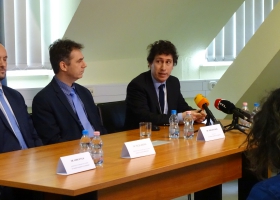
Űrkutatási célú komplex tesztelő laboratórium nyílt ma meg ünnepélyesen az MTA Energiatudományi Kutatóközpontjában. A rendezvényen köszöntőt mondott Horváth Ákos, az MTA Energiatudományi Kutatóközpont főigazgatója, Pócza András, a Nemzeti Fejlesztési Minisztérium (NFM) Infokommunikációs Szabályozási és Szervezési Főosztályának űrkutatásért felelős főosztályvezetője, Hirn Attila, az MTA EK Űrdozimetriai Kutatócsoport vezetője, valamint Zábori Balázs, az MTA EK Űrkutatási Laboratórium műszaki felelőse.
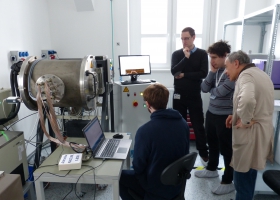
Az Astronika lengyel űripari cég fejleszti a RADCUBE küldetéshez a mágneses tér mérés során szükséges árbócmechanizmust, mely a műhold struktúrán kívül is lehetővé teszi mérések elvégzését.
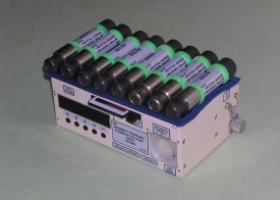
Nem rég kaptuk a hírt az S.P. Koroljov Enyergia orosz űripari vállalat munkatársaitól, hogy az új Pille kiolvasó Moszkvában sikeresen átment a végső átadási teszteken.
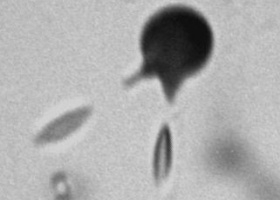
Passzív sugárzásmérő detektorok kalibrálásával kapcsolatos vizsgálataink bemutatása jelent meg nemrégiben a Nuclear Instruments and Methods in Physics Research, A című szakfolyóiratban. A főbb eredményeket itt is közreadjuk.
.jpg)
A RADCUBE hazai űridőjárás kutató mikroműhold (CubeSat) küldetés 2017 decemberében érkezett el első komolyabb mérföldkövéhez, a PDR (Preliminary Design Review) felülvizsgálathoz.
A TRITEL űrdozimetriai célú teleszkóprendszer már két hónapja folyamatosan üzemel a Nemzetközi Űrállomás (ISS) fedélzetén. Az ESA DOSIS-3D kísérletsorozat tizenegyedik küldetésének passzív detektorai két nappal ezelőtt érkeztek vissza; a soron következő detektor csomagok pedig már a holnapi felbocsátásra várnak!
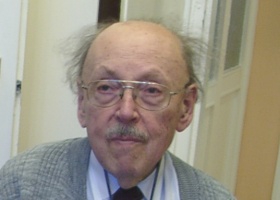
Fehér István vegyész, a KFKI korábbi Sugárvédelmi Osztályának megszervezője és egyben vezetője, az első Pille termolumineszcens űrdozimetriai rendszert fejlesztő csapatának vezetője 2017. október 17-én váratlan hirtelenséggel elhunyt.
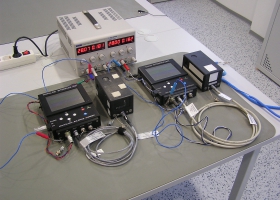
A tervek szerint 2017. október 12-én indul Bajkonurból a Progressz MSz-07 (ISS #68P jelű küldetés) a Nemzetközi Űrállomásra fedélzetén a TRITEL háromtengelyű sugárdozimetriai célú teleszkóp új központi egységével.
A mai napon a Szojuz MS-05 űrhajó fedélzetén Paolo Nespoli, az Európai Űrügynökség (ESA), Szergej Rjazanszkij, a Roszkozmosz, valamint Randy Bresnik, a NASA űrhajósa és számos kísérleti eszköz mellett az MTA EK dózismérői is útnak indulnak Bajkonurból a Nemzetközi Űrállomás (ISS) fedélzetére.
Az Európai Űrügynökség (ESA) három kollégánknak is névre szóló oklevelet adott a Rosetta üstököskutató programban való hozzájárulásukért és az abban végzett kiváló munkájukért.
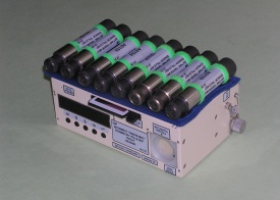
Gennadij A. Smatov és Igor D. Szturov az RSC Enyergia cég szakemberei, valamint Raisza V. Tolocsek, az Orosz Tudományos Akadémia Orvosbiológiai Problémák Intézetének munkatársa tett május 16-19. között látogatást kutatócsoportunknál.
A "PHOENIX" program 2014-ben indult az Orosz Tudományos Akadémia (OTA), a szintén orosz Szövetségi Orvosbiológiai Ügynökség és a Moszkvai Mérnökfizikai Intézet vezetésével, illetve az OTA meghívására az MTA EK Űrdozimetriai Kutatócsoportjának részvételével. A kísérletsorozat céllal, hogy biológiai minták sugárérzékenységét vizsgálják űrbéli körülmények között, nyomon követve a genetikai állományban bekövetkező változásokat és a túlélési statisztikát. Lévén az űrben lényegesen nagyobb terhelésnek van kitéve az élő szervezet, mint a Földön, ezért a projekt eredményei jelentős mértékben hozzájárulhatnak az űrutazók egészségének védelmére irányuló kutatásokhoz. Ezzel kapcsolatban a napokban jelent meg egy-egy cikk a Radiation Measurements és a Journal of Physics folyóiratokban.
Pár évvel ezelőtt a Magyar Asztronautikai Társaság (MANT) és a Space Generation Advisory Council (SGAC) Űrakadémia Klub néven rendezvénysorozatot indított el, amelyre elsősorban a 18-35 év közötti korosztályt várják. A következő eseményre 2017. február 23-án a Csodák Palotája Playbarban kerül sor, ahol Dr. Strádi Andrea, csoportunk tudományos munkatársa Sugárzó kozmikus veszélyek biztonságos megfigyelése – űrdozimetria és ami mögötte van címmel tart előadást.
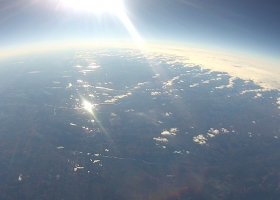
Örömmel tudatjuk, hogy elindult csoportunk hivatalos oldala! A Magyar Tudományos Akadémia Energiatudományi Kutatóközpont Űrdozimetriai Kutatócsoportja Magyarország egyik legrégebbi, űreszközöket fejlesztő tudományos műhelye.